Barnes man with van in Barnes for practical moving and transport support

If you need a man with van in Barnes, our service is built for straightforward moving tasks that need careful handling, sensible loading and a vehicle sized for local journeys. It suits customers moving a few items, taking furniture between addresses, or arranging a simple transport job that does not call for a full removals operation. The focus is on making the move organised, clear and manageable from the first enquiry through to completion.
We support a range of everyday removals and transport work, including small home moves, single-item collection, furniture pick-up and selected appliance transport. That means the service can suit flat moves, student moves, decluttering projects, or the movement of items that are awkward to carry without help. For many customers, the value is in having one practical arrangement rather than coordinating several separate trips.
Our approach is shaped around the job in hand. Some moves are simple, others need more planning because of stair access, parking, weight, or the size of the items involved. We keep the service flexible enough to handle different volumes while staying focused on the practical detail that matters to a customer arranging transport in Barnes.
Household moves and smaller relocations
For domestic work, a man and van style service is often a good fit when the move is too much for a car but does not justify a large removals team. We can support partial house moves, rooms of furniture, and smaller relocation jobs where the main aim is to move belongings safely and without unnecessary complexity. The service is especially useful when you want transport arranged around existing plans rather than a full moving schedule.
Household jobs can involve a mix of furniture, boxes, bags and personal items, and each category benefits from a slightly different loading approach. Sofas, beds, tables and wardrobes need securing, while fragile items need more careful separation. Good packing makes a difference, but even well-packed belongings still need stable stacking and sensible use of the van space so that items remain protected in transit.
What domestic customers usually ask us to move
Typical household work can include:
- single rooms or selected furniture from a property
- boxes and bags from a smaller move
- items being taken into storage or a new address
- pieces collected from a seller, shop or relative
- bulky belongings that need lifting help as well as transport
 Furniture collection and furniture pick-up
Furniture pick-up is useful when an item has already been bought, given away or arranged for collection and now needs a suitable vehicle and loading assistance. We can help with chairs, tables, shelving, wardrobes and other sizeable items that are awkward to collect alone. The job may involve taking the item from one property to another, or moving it from a shop, warehouse or private seller to a home in Barnes.
This kind of work often depends on access, shape and weight rather than the number of items alone. Flat-pack pieces are usually simpler than fully assembled furniture, but both still need care to avoid scuffs, strain on joints or damage during loading. Where an item is unusually heavy or awkward, the practical priority is to move it with enough control that the route from collection point to van stays safe and manageable.
If you are arranging a furniture collection, it helps to have the item details ready, including dimensions where available and any known access issues at either end. You do not need to overprepare, but a clear description helps the move be matched to the right vehicle space and loading method. If you are comparing options, you can request a quotation once you know the item size and collection details.
Appliance transport and selected bulky items
Some transport jobs involve appliances rather than general furniture, and these call for different handling considerations. Fridges, freezers, washing machines and similar items are heavy, often awkward to grip, and may need to be moved in a position that protects the appliance and the surrounding surfaces. We can support these jobs when the item is suitable for van transport and the access is manageable.
Appliance moves are rarely just about lifting. The route out of the property, doorway width, floor protection, and the means of securing the item in transit all matter. If an appliance is being moved after disconnection, it still needs to be treated carefully because edges, hoses and surfaces can be vulnerable. That is why a measured loading process is more useful than rushing a job that looks simple at first glance.
Where the item is part of a broader domestic clear-out, it can often be combined with a furniture or small move at the same time. That can be a practical way to reduce repeated trips and keep the transport plan straightforward. If you are unsure whether an appliance move is suitable, it is usually best to describe the item plainly and ask for a quote rather than assume it will fit a standard arrangement.
Commercial moves and office relocation support
Alongside domestic work, we also provide moving support for business customers who need a practical van-based solution. This can include office relocation services, transport of desks and chairs, movement of boxed equipment, or a smaller commercial move where a business wants to shift items between premises with as little disruption as possible. The emphasis is on organised loading and clear sequencing, not on unnecessary overcomplication.
Commercial jobs often depend on timing and item type. Files, screens, office furniture and retail stock all benefit from being separated and loaded with care. If a business move includes fragile equipment, it is sensible to keep those items apart from heavier furniture so that they are easier to handle and less likely to shift in transit. Clear labelling can also help when items are being moved into different rooms or work areas.
Because business moves vary widely, it is useful to describe what is being transported and whether the items are going to one destination or several. A carefully planned van move can work well for smaller offices, local relocations and scheduled collections, particularly where access and parking need to be considered in advance. For larger commercial projects, the scope should be set clearly so the arrangement fits the work rather than forcing the work to fit the vehicle.
 Packing, loading and careful handling
Packing and loading are central to a successful man with van service, even when the move itself is modest. Items that are loosely packed can shift, while awkward loads can place pressure on lighter belongings if they are not arranged properly. Our loading approach aims to make sensible use of the available space so that furniture, boxes and mixed items sit securely for the journey.
When packing is part of the job, the goal is not to turn every item into a perfect parcel. It is to keep the load workable. For example, softer items can fill gaps, lighter boxes can be stacked above stronger ones, and breakables can be kept together rather than mixed with heavier pieces. That kind of practical order makes the whole move easier to manage, especially on jobs that involve several stops or tight access.
For customers who are preparing a move, two details usually help most: a simple list of the items and an honest note about access at each address. Stairs, narrow hallways, limited parking and long carrying distances can all affect how a job is approached. If the job includes a lot of loose items, it can also help to group them by room before collection so that unloading is easier at the destination.
Pricing factors and quotation details
Quotation requests are usually clearer when they focus on the practical details that affect the work. The main factors are normally the number and size of items, the collection and delivery points, access conditions, and whether loading or unloading support is needed at one or both ends. Distance between addresses is also relevant, especially when a job involves several stops or time-sensitive arrangements.
It is sensible to be specific about anything that could affect handling, such as stairs, parking restrictions, long carries, fragile pieces or particularly heavy items. That does not mean the job becomes complicated, only that the arrangement can be matched to the work accurately. Where a customer has several pieces to move, it may be better to describe them by type rather than only saying there is a van load, because that gives a clearer picture of the space and care required.
You can keep the enquiry brief and still useful. A short list of items, the areas involved and the preferred timing is often enough to begin. If you are comparing options or planning ahead, please send the details so the move can be assessed in a sensible way and the quotation reflects the actual work.
Furniture disposal and item removal
Some customers need transport for items that are leaving a property rather than arriving at one. In those cases, furniture disposal or item removal can be arranged for pieces that are no longer needed and are suitable for collection. This can include sofas, mattresses, tables or other bulky household items that are difficult to take away using an ordinary vehicle.
Removal jobs are often easier when the items are grouped together before the collection. That can reduce handling time and help avoid repeated trips between rooms and the vehicle. It is also useful to know whether the item is upstairs, whether it needs dismantling, and whether there are narrow points on the route out. Those details help set expectations and keep the work practical rather than rushed.
Not every item is identical in handling needs. A mattress is very different from a shelving unit, and a sofa is different again because of its weight distribution and bulk. Where a job involves more than one kind of item, it can be helpful to separate them by type so the van space can be used efficiently. If you are not sure which transport arrangement is best, the safest first step is to describe the items and ask what can be moved together.
About Barnes
Barnes is a riverside district in southwest London, set within the London Borough of Richmond upon Thames and known for its village-like centre, wide residential streets and strong connection to the River Thames. The area developed from an older settlement with medieval roots and later grew as London expanded, but it still retains a distinct scale compared with the busier inner-city districts nearby. Barnes Pond forms one of its best-known local features, while the green spaces around the district give it a character that is shaped as much by open land and water as by the built environment. The Barnes Railway Bridge, crossing the Thames, is one of the recognisable transport landmarks in the area, and the nearby river frontage adds to the sense of place that defines Barnes. Local architecture is varied, with terraces, older cottages, Edwardian and Victorian housing, and conservation-minded streetscape details that give the district a coherent feel despite its mix of periods. Cultural life has also left a clear mark here: the Wetland Centre, the arts and music traditions linked to the locality, and the presence of community venues all contribute to a place that feels settled rather than transient. Barnes Common provides another important open area, while the river towpaths and neighbouring meadows connect the district to wider walking and wildlife routes. Together these features make Barnes a part of London that is both residential and distinctive, with geography and history closely intertwined in everyday life.
Small move options and one-off transport jobs
Not every booking is a house move or a business relocation. Some are one-off transport jobs, such as taking a few items to storage, shifting belongings after a clear-out, or moving purchases that need to be collected from another address. These jobs suit a van-based service because they often need more practical capacity than a car can provide, but not the scale of a traditional removals package.
One-off transport can be especially useful when the load is mixed. A few boxes, a chair, a lamp and a side table can all be moved in one organised trip if they are packed and stacked properly. The aim is to make the vehicle work efficiently while keeping the items manageable. That is why it helps to think about the job as a set of objects to be handled carefully, not just as a distance to be covered.
Simple preparation that keeps the move efficient
Two short preparations usually make the biggest difference: group the items together and confirm the route at each end. If there are lifts, stairs or limited parking, that is worth mentioning early. If you have fragile items, keep them separate from the heavier pieces so they can be loaded in a safer order. These steps do not need much time, but they do help the day run more smoothly.
 Why a van-based service suits local journeys
A van-based moving service works well for journeys that are local enough to stay practical but detailed enough to need more than basic personal transport. It is suited to the kind of job where there may be a mixture of items, short loading times, and a need to keep the route as direct as possible. For Barnes customers, that can mean simple movement between nearby addresses or a collected item that needs to travel safely across London.
The value of the service is often in the combination of capacity and handling. A van can take items that would otherwise need multiple car journeys, while the loading approach can be adjusted to the types of belongings involved. That flexibility is useful for people moving between flats, clearing part of a home, or arranging transport for a purchase that has to be collected and delivered on the same day.
If you are considering which service fits best, think first about the size of the items and the support needed for lifting. A smaller job may still benefit from two-person handling if the pieces are heavy, awkward or fragile. A larger job may need a clear sequence of loading so that the first items off are placed where they are needed. That practical planning is often more important than the label attached to the move.
Planning around access, timing and loading order
Access details matter because they affect how the work is carried out. Narrow hallways, shared entrances, controlled parking and long carries can all influence the amount of handling required. A job can still be straightforward with those factors in place, but it is better to account for them from the beginning than to treat them as minor extras. Clear information lets the move be organised with fewer surprises.
Timing can also shape the way a move is arranged, especially when there are collection windows, building access rules or closing times to work around. In practice, this means thinking about the sequence of loading as well as the route itself. Heavier furniture generally goes in first, fragile or smaller items are secured separately, and anything needed early at the destination should be easier to reach when unloading begins.
If you have a set of items already grouped for transport, you are close to having the details needed for a useful quotation. A concise list is usually better than a long description that hides the important facts. When you are ready, ask for a quotation and include the item types, the addresses involved and any access notes that would affect loading or unloading.
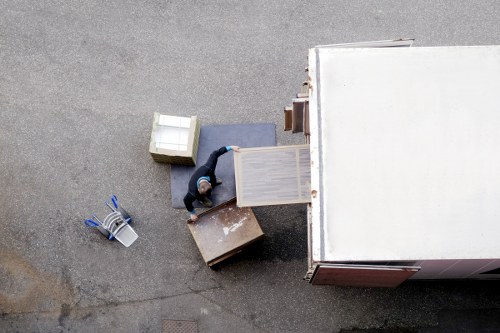 Requesting a quotation for Barnes man with van support
For many customers, the simplest way to begin is to outline what needs moving and where it needs to go. That is enough to set the work on the right footing and avoid guesswork. Whether the job involves household items, furniture pick-up, appliance transport or a small office relocation, a clear description helps the service be matched to the task without unnecessary back-and-forth.
It is also helpful to mention any item that may need extra care, such as glass, antique furniture, heavy cabinets or boxed electronics. Those pieces do not necessarily require a different service, but they do benefit from sensible handling and space planning. If your move includes more than one type of item, a short list can make the quotation process more accurate than a broad summary alone.
To get started, request a quotation by sharing the items, the collection and delivery points, and any access details that matter. That gives you a practical basis for arranging transport in Barnes and helps keep the move clear, efficient and suited to the work involved.