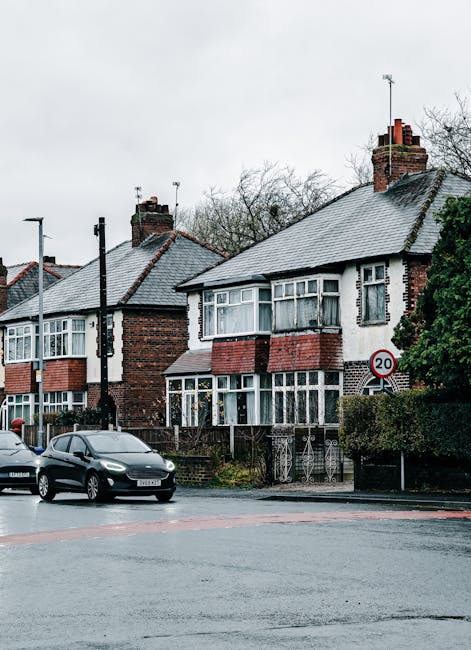
Kingston Road Barnes house removals guide: a practical, local moving plan for a smoother day
Moving house on Kingston Road in Barnes can feel simple on paper and then suddenly, well, not so simple at all. Parking can be tight, access can be awkward, and the usual moving-day chaos tends to arrive early with the kettle. This Kingston Road Barnes house removals guide is designed to help you plan sensibly, avoid preventable stress, and make better decisions about packing, timing, vehicle size, and support. Whether you are moving a flat, a family home, or a place with a few awkward bits of furniture, the aim here is straightforward: help you move with less faff and more control.
It also helps to think beyond the boxes. A good house move is part logistics, part timing, part common sense. In a neighbourhood like Barnes, where streets can be busy at the wrong moment and access matters, those little details make a real difference. If you want extra support with the physical side of the move, services such as home moves, man with van, or house removalists can be useful depending on the size and complexity of the job.
Below, you will find the key steps, local considerations, and a few realistic mistakes to avoid. Nothing overcomplicated. Just a proper moving guide that respects the fact that your time is valuable and your sofa is heavier than it looks.
- Why Kingston Road Barnes house removals guide Matters
- How Kingston Road Barnes house removals guide Works
- Key Benefits and Practical Advantages
- Who This Is For and When It Makes Sense
- Step-by-Step Guidance
- Expert Tips for Better Results
- Common Mistakes to Avoid
- Tools, Resources and Recommendations
- Law, Compliance, Standards, or Best Practice
- Options, Methods, or Comparison Table
- Case Study or Real-World Example
- Practical Checklist
- Conclusion
- Frequently Asked Questions
Why Kingston Road Barnes house removals guide Matters
Kingston Road Barnes house removals guide matters because house moves are rarely just about transporting belongings from A to B. They are about making sure the move works on the ground, in real life, in the actual street you live on. Kingston Road sits in a part of London where timing, access, and vehicle choice can shape the whole experience. If you underestimate those factors, the day can stretch out, become disorganised, and cost more than it should. Not ideal, really.
Local moving knowledge is useful because Barnes has its own rhythm. School runs, commuter traffic, narrow stretches, and the simple reality of finding a sensible loading point all affect the process. You may be moving from a top-floor flat, a terraced house with limited frontage, or a family home with a full shed, garden tools, and three generations of "we might need this one day" items. A guide like this helps you think ahead rather than react on the day.
It also matters from a stress point of view. People often assume removals are physically hard but mentally straightforward. Truth be told, the mental load can be the bigger issue. There are keys to hand over, items to keep with you, fragile boxes to protect, and a million small decisions that become very noisy when the van arrives. A solid plan cuts through that noise.
Expert summary: The best Kingston Road Barnes house removals are usually the ones that feel boring on the day, because every important decision was made the day before.
How Kingston Road Barnes house removals guide Works
A house removal on Kingston Road usually follows a fairly simple structure: assess the property, plan the load, prepare the items, move them safely, and unload them in the right order. Sounds obvious. It rarely feels obvious when you are standing in a hallway full of labelled boxes and someone is asking where the mattress protector went.
The process starts with understanding the type of move you actually have. A small flat move may only need a man and van style service, while a larger household may be better matched with a bigger vehicle or a more structured removal setup such as removal truck hire or a moving truck. If you have several bulky items, stairs, or multiple trips involved, it is worth being realistic from the start.
Good removals work in stages. First comes the survey or rough inventory. Then comes packing and dismantling where needed. Then the collection and transport. Then unloading, furniture placement, and final checks. The exact shape depends on your home, your timeframe, and how much help you want. Some people only need transport. Others want hands-on support all the way through, including packing and unpacking services. Both approaches can work. The trick is picking the right one for your situation.
In practice, the move works best when everyone knows the plan. Where is the van parking? Which boxes are fragile? Which items are staying with you in the car? Which furniture needs disassembly before the move? These questions save time later. Small questions, big payoff.
Key Benefits and Practical Advantages
There are several benefits to approaching a Kingston Road Barnes house move properly rather than treating it like a heroic last-minute scramble. One of the biggest is control. When the move is planned, you know what is happening and when. That gives you breathing room, and moving day suddenly stops feeling like a one-way ticket to chaos.
- Less stress: Clear preparation means fewer surprises on the day.
- Better protection for belongings: Proper wrapping, box labelling, and loading order reduce damage risk.
- Faster turnaround: A prepared property is quicker to load and unload.
- Smarter budgeting: The right service size avoids paying for capacity you do not need.
- More predictable timing: Good access planning helps the crew work efficiently.
There is also a practical benefit that people sometimes overlook: fewer emotional hiccups. Moving house can be surprisingly sentimental. You pick up a book, find an old receipt, smell dust and lemon polish from a forgotten cupboard, and then the day slows down. That is normal. A structured move gives you room for those moments without derailing everything.
If you are decluttering before the move, you may want to split items into keep, donate, recycle, and dispose piles. For bulky old furniture, it can be helpful to arrange a furniture pick up or disposal support for items that do not need to come with you. It is a small decision, but it can save space, time, and a good deal of lifting.
Who This Is For and When It Makes Sense
This guide is for anyone moving from or around Kingston Road in Barnes who wants a practical, realistic plan. It is especially useful if you are moving from a home where access is not completely straightforward, or if you have items that need a bit more thought than "put in van, drive, done".
It makes particular sense if you are:
- moving from a flat with stairs or limited lift access
- relocating a family home with a full inventory of furniture
- moving on a tight schedule or between fixed handover times
- handling the move yourself but need a better plan
- comparing different removal options before booking
- trying to keep the day calm for children, pets, or both
It also makes sense if your move is only partly residential. Sometimes people are moving home and dealing with home office equipment, confidential papers, or a few commercial-style items. In those situations, the right support can bridge the gap between a standard move and a more specialised one. If you are moving business items as well, you might also look at commercial moves or office relocation services for the bits that do not fit neatly into the usual house-move box.
And yes, if you only have a few bulky items and not a full house, a smaller solution may be enough. That is not a downgrade. It is simply matching the job to the right tool.
Step-by-Step Guidance
Here is a sensible way to approach a Kingston Road Barnes house move without overcomplicating it. You do not need a spreadsheet for everything. But you do need a sequence.
1. Take an honest inventory
Walk through the property room by room and note what actually needs to move. Separate essentials from non-essentials. Be strict with yourself. That chair in the corner? If you have not used it in two years, maybe now is the time to decide. You will thank yourself later.
2. Measure the awkward pieces
Measure large items such as wardrobes, beds, sofas, bookcases, and white goods. Check doorways, stairs, and hall corners too. A piece that fits in a room can still be awkward coming out. It happens all the time, and usually right when someone says, "It'll be fine." Famous last words.
3. Choose the right moving support
Decide whether you need a man and van, a fuller removal setup, or just help with transportation. Smaller homes may suit man and van or man with van arrangements. Larger or more complex moves may benefit from house removalists or a larger vehicle option.
4. Start packing early
Begin with seasonal items, spare bedding, books, decor, and anything you can live without for a week or two. Pack room by room, label clearly, and keep fragile items separate. A good label is more useful than a clever one. "Kitchen - mugs and glasses - fragile" beats "treasures" every time.
5. Organise access and timing
Think about the timing of collection, access to the road, and parking near the property. If loading will be awkward, tell your mover early. On Kingston Road, little access details can change the pace of the move quite a bit. A few minutes of planning can save an hour of shuffling boxes around.
6. Prepare a first-night box
Pack a separate box or bag with essentials: kettle, tea, chargers, toiletries, snacks, toilet paper, medication, basic tools, and clean clothes. This is one of those things that feels small until you are standing in a half-unpacked kitchen at 9 p.m. with no mug and no idea which box the mugs are in.
7. Load in a sensible order
Heavy items and furniture usually go in first, with lighter and fragile items secured around them. Keep useful items accessible. If you are unloading at the new place into specific rooms, say so clearly. Good loading order is not glamorous, but it is one of the easiest ways to avoid damage and confusion.
8. Check off the old property before leaving
Do a final sweep. Check cupboards, loft spaces, under beds, behind doors, and the garden. It is amazing how often one last phone charger or important envelope gets left behind just because everyone was in a rush.
Expert Tips for Better Results
There are always a few details that make a move smoother. Most are not expensive. They just require a bit of attention. That is the whole game, really.
- Use uniform box sizes where possible: They stack better and are easier to load.
- Keep screws and fittings together: Tape them to the furniture or put them in clearly labelled bags.
- Wrap glass and corners properly: A small roll of protection can prevent a costly chip or dent.
- Photograph cable setups: Especially for TVs, routers, and desk equipment.
- Set aside parking and access notes: A mover can work much faster when they know the exact situation.
- Separate valuables and documents: Keep passports, keys, and personal files with you.
One practical tip that is easy to ignore: do not overfill boxes. A box that is too heavy is slower to carry and far more likely to split at the worst moment. It sounds obvious. It also happens constantly.
If you are moving items that need special handling, check whether they belong with standard household goods or whether they need dedicated disposal or treatment. For example, old appliances may be better handled through fridge and appliance removal, while bulky upholstered pieces may be more suitable for mattress and sofa disposal. The same goes for anything sharp, corrosive, or otherwise troublesome. Better safe than sorry.
And if you are doing this during a wet London morning in winter, which happens, remember that wet floors and muddy shoes make slippery conditions at the front door. A couple of old towels can be a miracle. Not glamorous. Very effective.
Common Mistakes to Avoid
Most moving problems are predictable. That is the frustrating part. The good news is they are also avoidable if you know what to watch for.
- Underestimating volume: A house always seems to contain more than you remember.
- Booking the wrong vehicle size: Too small and you risk multiple trips; too large and you may pay for unnecessary capacity.
- Leaving packing too late: The final 24 hours are never as productive as people hope.
- Not checking access in advance: Tight loading spots, stairs, or parking restrictions can slow everything down.
- Forgetting disposal needs: Old beds, damaged sofas, and broken appliances often get left until the end.
- Mixing essentials with everything else: This is the classic one. The first-night kettle should not be buried under winter coats.
There is another mistake that is more subtle: assuming the move only needs physical labour. In reality, removals are decision-heavy. What stays, what goes, what needs wrapping, what should be dismantled, what needs special care. If you do not decide those things before moving day, the day decides for you. And that usually costs time.
A quick word on emotional clutter too. People often keep packing "just in case" items because sorting feels tiring. Fair enough. But if you are already short on time, packing things you definitely do not need adds work for no gain. Bit of a trap, that one.
Tools, Resources and Recommendations
You do not need a warehouse of equipment to move well. A few practical tools will do most of the heavy lifting, both literally and mentally.
- Strong boxes: Use decent, stackable boxes in sensible sizes.
- Packing tape and tape dispenser: Faster sealing, fewer lifted corners.
- Bubble wrap or paper wrap: Good for glassware, lamps, and framed items.
- Marker pens and labels: Room names and contents make unloading easier.
- Furniture covers and blankets: Helpful for sofas, tables, and wardrobes.
- Basic tools: Screwdrivers, Allen keys, and a small bag for fittings.
In terms of service options, think in layers. If you want a straightforward collection and delivery, man with van support may be enough. If you want more capacity and a dedicated vehicle, moving truck or removal truck hire can be a better fit. If you are looking for help with the loading and unloading of household goods, home moves is a good place to start.
If you are disposing of extra items before the move, it is worth checking what should be reused, recycled, or responsibly removed. Pages such as recycling and sustainability and what can go in a skip can help you think through the difference between a usable item and a disposal item. That distinction saves hassle and avoids that awkward "where does this actually go?" moment.
For anything you want to protect more carefully, especially documents and sensitive paperwork, consider sorting and storing it separately. Some households also need confidential shredding before a move. Not every household does, of course. But if it applies, it is better to deal with it before the boxes start multiplying.
Law, Compliance, Standards, or Best Practice
For most house removals, the main compliance issues are practical rather than dramatic. You are usually dealing with safe handling, responsible disposal, secure transport, and honest service terms. Still, those things matter. A lot.
Any moving provider should be clear about how goods are handled, what is included, and how safety is managed. That is where documents such as terms and conditions, insurance and safety, and health and safety policy become relevant. They are not glamorous reading, but they do tell you a lot about how seriously the service takes your belongings and its responsibilities.
If you are disposing of waste, appliances, or bulky household items, it is sensible to use proper channels and avoid dumping things informally. That is both common sense and good practice. The same applies to anything that might pose a hazard, such as old chemicals, damaged batteries, or certain cleaning products. If you are not sure, ask before moving day rather than improvising when you are already tired.
Payment handling also deserves a quick mention. It is worth understanding how a provider takes payment, what security measures are in place, and when charges apply. For that, payment and security can be a useful reference. You should feel clear, not uncertain, about the basics before the van arrives.
One final point: if you need accessibility support, check whether the service can accommodate your situation properly. That might mean stairs, mobility needs, or more careful handling. It is always better to ask directly. The right provider will understand that this is a normal part of planning, not an awkward special request.
Options, Methods, or Comparison Table
Choosing the right moving method usually comes down to scale, complexity, and how much help you want on the day. Here is a simple comparison that can make the decision less fuzzy.
| Option | Best for | Pros | Watch out for |
|---|---|---|---|
| Man and van | Small moves, a few rooms, quick transport | Flexible, usually straightforward, good for lighter loads | May not suit larger homes or bulky furniture-heavy jobs |
| House removalists | Full household moves and more involved relocations | More structured support, better for larger inventories | Can be more than you need for a very small move |
| Removal truck hire | Moves needing more vehicle space or multiple large items | Good capacity, efficient loading, practical for bigger jobs | Needs proper planning to use the space well |
| Packing and unpacking support | Busy households, time-poor movers, fragile items | Reduces stress and speeds up the whole process | Best when booked early, not as an afterthought |
There is no universal best option. The right choice is the one that fits your actual move, not the imagined perfect move in your head. That imagined version is usually cleaner, faster, and somehow less heavy.
Case Study or Real-World Example
Here is a realistic example. A couple moving from a two-bedroom property near Kingston Road had a mix of standard furniture, boxed books, kitchenware, and one particularly stubborn wardrobe that had to be partly dismantled. They initially assumed a small van would be enough. Once they listed everything properly, they realised there were more items than expected, plus a mattress, two mirrors, and several bags of items they wanted removed rather than moved.
Instead of guessing, they split the job into parts. Items they were keeping were packed by room. The wardrobe and bed frame were dismantled in advance. Unwanted furniture was set aside for removal support. They also prepared a first-night bag with bedding, chargers, toiletries, and kettle items. Simple enough, but it made the day work. The loading process was quicker because nothing had to be decided in the moment.
The result was not magical. It was just organised. And in moving terms, organised is brilliant. Nobody had to wander around asking where the lamp box was. No one had to reverse a van three times because access had not been checked. The whole thing felt calmer, which, if you have ever moved house, you know is worth quite a lot.
That is the real lesson. A successful Kingston Road Barnes move is usually made up of a hundred sensible little choices, not one dramatic masterstroke.
Practical Checklist
Use this checklist in the final week before moving day. It is simple, but it catches most of the common oversights.
- Confirm the moving date and access times
- Decide which moving service best suits the job
- Measure large furniture and awkward items
- Pack non-essential items room by room
- Label boxes clearly with room and contents
- Prepare a first-night essentials bag
- Set aside valuables, documents, and medication
- Arrange disposal or pick-up for unwanted items
- Protect fragile items with proper wrapping
- Check whether appliances need special handling
- Clear a path through hallways and doorways
- Do a final sweep of every room, cupboard, and storage space
If you want the move to feel less rushed, start this checklist earlier than you think you need to. A day or two makes more difference than you would expect. Small head start, big relief.
Conclusion
A Kingston Road Barnes house removals guide is ultimately about making a local move feel manageable. The road itself, the property layout, the vehicle choice, the packing plan, and the disposal decisions all matter. Put them together properly and the move becomes far less intimidating. Not effortless, no. But much calmer, more organised, and a lot more likely to finish on time.
If you are planning a move soon, focus on the things that genuinely change the outcome: measure honestly, pack early, choose the right support, and keep your essentials close. That is where the win is. Everything else is just noise. And moving day has enough noise already.
If you need help with a home move, a bigger removal, or the awkward bits in between, it is worth speaking to a team that understands both the practical and local sides of the job. The right support can make the entire day feel lighter, and sometimes that is exactly what you need.
Get a free quote today and see how much you can save.
Frequently Asked Questions
What is the Kingston Road Barnes house removals guide for?
It is a practical planning guide for people moving house on or around Kingston Road in Barnes. It helps you think through access, packing, vehicle choice, timing, and the common problems that can slow a move down.
Do I need a man and van or full house removalists for a Barnes move?
That depends on the size of your property and how much furniture you have. A smaller move may suit man and van, while larger homes or more complex jobs may be better served by house removalists.
How far in advance should I plan a house move in Barnes?
As early as you can, ideally once your moving date starts becoming firm. Even a rough plan for packing, parking, and furniture dismantling can make the last week much easier.
What should I pack first when moving house?
Start with items you do not use every day: books, decorations, spare bedding, seasonal clothes, and backup kitchen items. Leave everyday essentials until last so you are not hunting for a mug at 8 p.m.
Can I move bulky furniture and appliances in one go?
Yes, but only if the vehicle and loading plan suit the load. Large items may need extra care, and some appliances are better handled separately through fridge and appliance removal.
What if I have items I do not want to take to the new house?
Sort them out before moving day if possible. For unwanted sofas, beds, or similar items, a service such as mattress and sofa disposal or furniture pick up can help.
Is parking important for Kingston Road house removals?
Very. Good parking and access can save a lot of time. If a vehicle cannot stop close enough to the property, loading becomes slower and more tiring. It is one of those boring details that really does matter.
How do I protect fragile items during the move?
Use smaller boxes, wrap items well, label them clearly, and keep them away from heavy objects in the van. Mirrors, glassware, and lamps deserve a bit more care than your average box of books.
What documents should I keep with me on moving day?
Keep keys, ID, passports, contracts, medication, bank cards, and any important paperwork with you rather than packing them into the van. It is simpler and safer that way.
Can moving services help with packing as well as transport?
Yes, some moves work much better with packing and unpacking services. That can be especially useful if you are short on time or have a lot of fragile items.
What should I check before booking a moving service?
Check what is included, how goods are handled, whether the service is insured, and how payment works. Pages such as insurance and safety and payment and security are useful for understanding those basics.
Can I ask for help with disposal as part of the move?
Yes, and it often makes the whole process easier. If you are decluttering as you move, look at services linked to unwanted items and recycling, including recycling and sustainability and what can go in a skip.
What is the biggest mistake people make when moving from Kingston Road?
Usually underestimating how much they have to move or leaving packing too late. The next most common mistake is not planning access properly. A little preparation solves most of the drama before it starts.